
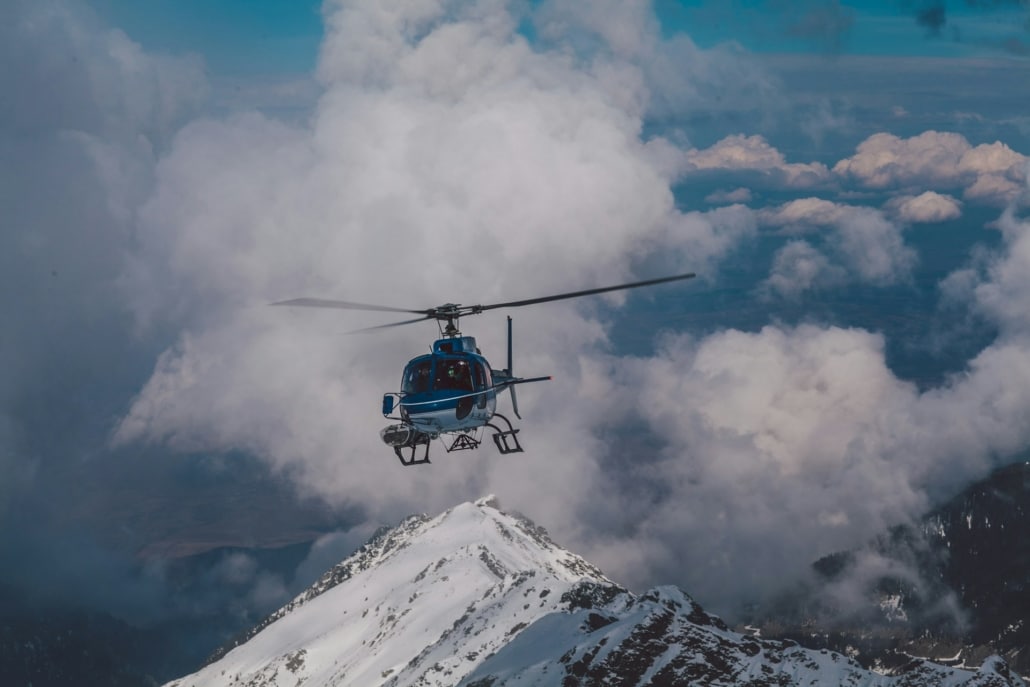
How Datatoys DVRs handle extreme environments
Last Updated on March 5, 2026 by Datatoys
Mission video that drops out in the heat, freezes in the cold, or glitches under vibration is useless. That is why our DataToys rugged DVRs are engineered for aircraft, naval, and defense platforms that operate in real extremes. These recorders are built to military test standards like MIL-STD-810G and MIL-STD-461 to keep capturing clean evidence and training data when consumer gear would fail.
What MIL-STD-810G Really Covers
MIL-STD-810G is a suite of environmental tests used to validate equipment against real-world stress. Typical methods include high and low temperature, thermal shock, humidity, salt fog, mechanical shock, and random vibration. OEMs select procedures that match expected duty cycles, then test to those profiles. Passing is not a promise of invincibility, but it is a strong indicator that the device survived representative extremes in a lab setting.
For video systems, this means sustained recording during vibration, temperature swings, and shock events common in aviation and marine missions. DataToys highlights MIL-STD-810G across its military DVR line for exactly these reasons.
*Read more about MIL-Spec certification here.
How DataToys Builds For Harsh Conditions
DataToys ruggedness is a combination of chassis design, electronics, storage, and EMC discipline.
- Mechanical design. Stiff, machined enclosures and secure mounting points resist flex and shock. Vibration categories from MIL-STD-810G are addressed at the model level with defined profiles and procedures.
- Thermal strategy. Conduction paths and heat spreaders support wide operating ranges typical of deployable systems so the recorder remains stable in desert heat and at altitude.
- Solid-state storage. Models like Corsair use rugged SSD media for hot-swap and durability. SSDs are favored over HDDs for shock and vibration.
- EMI and power environment. Select models carry MIL-STD-461 qualifications and power compatibility relevant to aircraft and shipboard systems, which reduces susceptibility to RF interference and helps avoid emissions that could disturb nearby avionics.
- Sealing and connectors. Military and aviation deployments require corrosion resistance and reliable interconnects. DataToys promotes naval and airborne suitability across RedHawk, DR.I, and Corsair.
Product Snapshots
- DR.I Rugged Military DVR. Qualified to MIL-STD-810G Change 1, MIL-STD-461F, and MIL-STD-464C. Built for aviation and naval use including under-wing pods. Records HD-SDI and analog sources.
- Corsair Mil Spec DVR. Multi-channel H.264 DVR with external SSD and qualifications to MIL-STD-810G Change 1 and MIL-STD-461E for shipborne and aviation use.
- RedHawk HD. 3G-SDI and HD-SDI military DVR for airborne and marine deployments, qualified to MIL-STD-810G and MIL-STD-461F.
- AirKnight HD4S. 1080p60 3G-SDI airborne recorder popular in helicopter tour systems, with up to four HD-SDI camera inputs and front panel or director box switching.
Comparison Table
| Model | Channels and Formats | MIL-STD Qualifications | Storage Approach | Typical Deployments |
| DR.I | HD-SDI plus analog capture | 810G Change 1, 461F, 464C | Solid-state storage | Under-wing pods, aviation, naval |
| Corsair | Up to 4 inputs, HD and analog | 810G Change 1, 461E | External hot-swap SSD | Shipborne and airborne platforms |
| RedHawk HD | 3G-SDI and HD-SDI | 810G, 461F | Internal or external solid-state | Aircraft and naval vessels |
| AirKnight HD4S | Up to 4 HD-SDI 1080p60 cameras | Commercial with rugged options | SD or USB media | Helicopter touring, multi-camera flight video |
Always verify exact temperature, vibration, shock, and ingress details in the current datasheet. For example, Corsair documentation cites specific 810G vibration and shock methods and categories, which is useful for compliance teams and DER reviews.
Real-World Environmental Challenges These DVRs Address
- Temperature extremes. Day-to-night swings and altitude transitions create rapid thermal changes that can expose marginal designs. DataToys positions RedHawk and related recorders for these profiles on aircraft and naval platforms.
- Vibration and shock. Rotorcraft, jets, and ship engines subject electronics to continuous random vibration and occasional shock events. MIL-STD-810G test categories and Corsair’s published methods show attention to these stresses.
- EMI and RF. Proximity to radios, radars, and power systems calls for 461 compliance and disciplined grounding to avoid dropouts and interference. RedHawk and DR.I cite 461F along with 810G.
- Salt and moisture. Naval operations increase corrosion risk. DataToys markets these models for shipboard deployment, indicating attention to sealing, materials, and connector selection.
Integration Tips and Best Practices
- Match the recorder’s MIL-STD test categories to your platform vibration PSD and temperature profile. Use the exact 810G method numbers during compliance planning.
- Prefer SSD or removable solid-state media for high-vibration missions. DataToys publicly argues for SSD durability in extreme environments and calls out Corsair and DR.I as examples.
- Use isolation mounts and ensure good thermal coupling to the airframe or rack for conduction. Confirm airflow or conduction paths during installation reviews.
- Validate EMC early. When installing near sensitive avionics or ship systems, verify 461 test performance and wiring practices to minimize conducted and radiated noise.
Conclusion
Rugged video is not only about resolution or bit rate. In real missions the recorder has to keep working when temperature spikes, airframe vibration peaks, or the RF environment gets hostile. Our Datatoys models like DR.I, Corsair, and RedHawk HD combine MIL-STD-810G environmental testing with 461 EMI discipline and solid-state storage to deliver reliable evidence under stress.
For multi-camera helicopter tours, AirKnight HD4S adds flexible inputs and switching that has become a staple in tourism fleets. Review the latest datasheets for method coverage, then select the model that aligns with your platform and certification path.